
Why damp proofing matters in older Croydon school sports floors
If you manage an older school building in Croydon, the sports floor is part of a working environment rather than a decorative surface. It has to cope with lessons, clubs, examinations, community use and regular cleaning. Moisture beneath it can gradually change how the floor feels and performs, even when the visible damage seems minor. Damp Proofing Sports Floors: Essential for Older Croydon School Buildings is therefore a practical concern for anyone responsible for safety, budgets and planned maintenance.
How ageing construction methods allow moisture into sports halls
Older halls may have been built with floor assemblies that lack the moisture control expected in newer construction. Suspended timber floors can have limited ventilation below them, while solid floors may sit above slabs or sub-bases with no effective barrier. Altered external levels, blocked air bricks and later extensions can also change how water moves around the building.
The age of the building does not prove that damp is present, but it does make the original construction worth understanding. Previous repairs can create further complications where a new layer has sealed moisture into an older assembly or bridged a route that once allowed evaporation.
The effect of damp on timber, vinyl and rubber sports flooring
Timber reacts to changing moisture content by swelling, shrinking and distorting. In a sports hall, that movement may show as raised boards, open joints or a less even playing surface. Vinyl and rubber are less likely to cup, but moisture can weaken adhesives, encourage bubbling and leave edges lifting from the substrate.
The visible finish is only one part of the system. Adhesive failure, damp screed, damaged plywood or decayed timber below can all remain after a surface repair, which is why the moisture source matters more than the first symptom you notice.
Health, hygiene and indoor air quality considerations
Persistent damp can create a musty environment and make cleaning more difficult, particularly where mould or staining develops around edges and thresholds. Condensation may also point to high indoor humidity or poor air movement. You should treat visible mould and persistent odours as reasons to investigate, rather than simply applying a new coating or deodoriser.
A sports hall needs a surface that can be cleaned appropriately for its use. Any remedial plan should consider the condition of the room, the floor assembly and the school’s cleaning regime together, with suitable professional advice where mould or building-related health concerns arise.
How moisture damage can affect safety and school operations
Uneven boards, loose resilient flooring and contaminated surfaces can affect foot placement, grip and the predictable movement of sports equipment. The issue may be localised at first, but repeated traffic can enlarge a weak area. A closure made at short notice is usually more disruptive than a planned survey during a holiday or scheduled shutdown.
For a wider view of installation, refurbishment and line marking in the borough, you can review Croydon sports hall flooring. It is sensible to consider damp investigations alongside the intended sport, the floor’s performance requirements and the timetable for returning the hall to use.
Signs that a school sports floor may need damp proofing
Damp rarely announces itself in one neat way. You may see movement in timber, separation in resilient flooring or changes in smell and temperature across the room. Record where each symptom appears and whether it follows rainfall, heating changes, cleaning or heavy use. That simple history can help a specialist distinguish a moisture problem from ordinary wear.
Cupping, lifting and gaps in timber floorboards
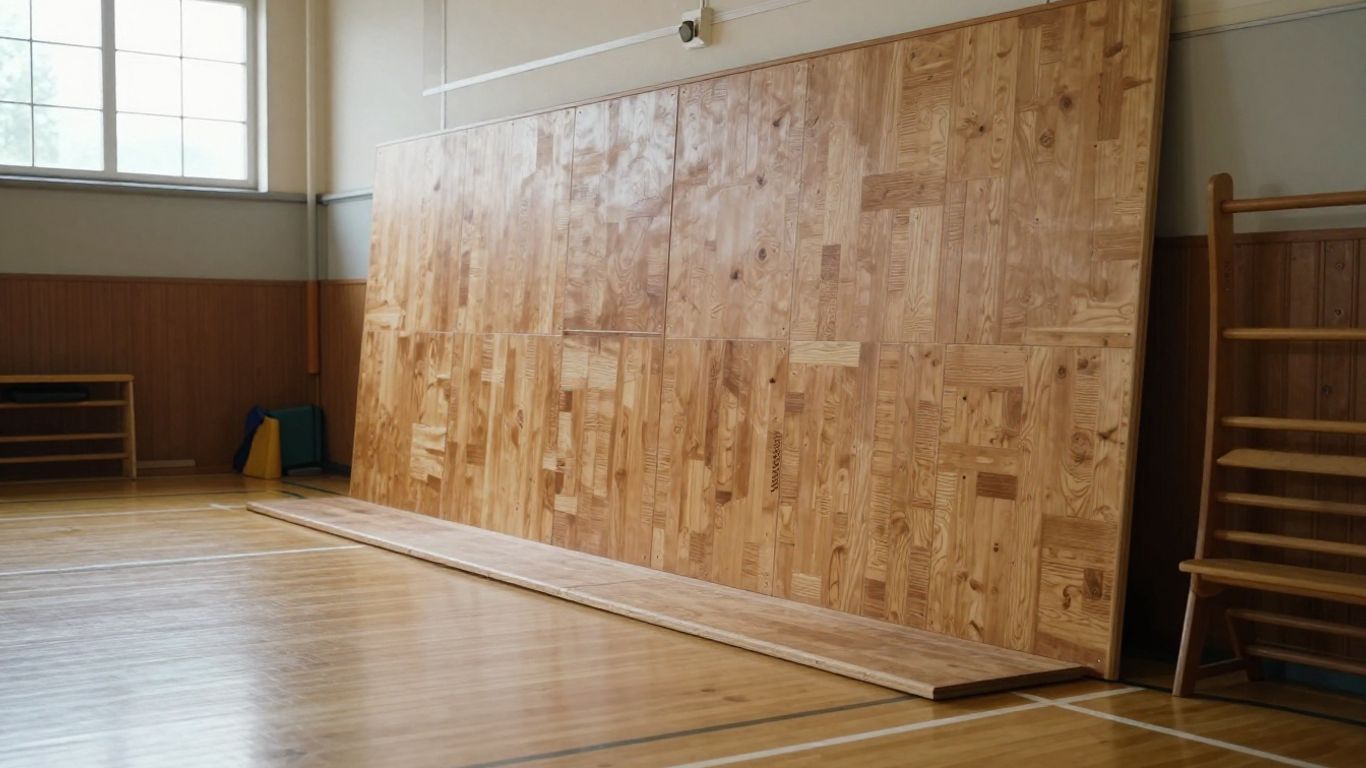
Cupped boards have edges or centres that sit higher than the surrounding timber, while lifting may occur at joints, fixings or perimeter areas. Gaps can develop as boards dry and contract, but they can also accompany repeated cycles of wetting and drying. Listen for movement underfoot and look for changes that spread after wet weather.
Do not sand heavily or screw down visibly distorted boards before the cause is understood. The timber may move again, and a cosmetic repair can make later investigation more difficult.
Blistering, bubbling and debonding in resilient flooring
Blisters and bubbles in vinyl or rubber often indicate a loss of bond between the covering and its base. Edges may curl at doorways, seams may open, or isolated areas may sound hollow when gently assessed by a competent professional. Moisture is one possible cause, although poor adhesive application, substrate movement and trapped air can also contribute.
The repair specification should identify whether the covering, adhesive, screed or slab is affected. Replacing only the loose patch is unlikely to be durable if the substrate remains damp.
Musty smells, condensation and visible mould
A musty smell that returns after cleaning deserves attention, especially when it is strongest near skirtings, corners or floor outlets. Condensation on cold surfaces may reflect ventilation or humidity issues rather than rising damp, but it still shows that the room’s moisture balance needs review. Visible mould should be handled with appropriate precautions and not brushed into the air during casual cleaning.
You may find that the floor symptom is part of a broader building issue. Check adjacent changing rooms, stores and wall bases so that the survey covers connected areas rather than just the centre of the court.
Cold spots, staining and recurring surface damage
Cold patches can occur where the floor assembly is poorly insulated, wet or exposed to air movement below. Brown staining, dark joints and repeated discolouration around thresholds may indicate water entry, salts or an old leak. A pattern that returns after repainting or replacing boards is more informative than a single mark.
Keep dated photographs and a simple plan of the hall. Comparing the same locations over several weeks gives you better evidence than relying on memory.
When cosmetic repairs are unlikely to solve the problem
A repair is unlikely to address the underlying issue when the same area repeatedly lifts, stains or smells after being made good. It is also a warning sign when damage follows the perimeter, external wall line or services route. Before you authorise replacement materials, ask for the proposed cause, the evidence supporting it and the drying conditions required.
That approach protects the school from paying twice. It also makes the final scope clearer, especially where a floor must be removed in sections and reinstated around fixed equipment.
How damp is diagnosed beneath a sports floor
A useful damp investigation joins building history with measured information. You need to know what the floor is made of, where moisture could be coming from and how much of the damage is active. A competent survey should explain limitations as well as findings. It should not assume that every lifted floor is caused by rising damp.
Reviewing the building’s age, construction and previous repairs
Start with drawings, maintenance records and accounts from caretakers or contractors. Establish whether the hall has a suspended timber floor, a concrete slab, a screeded base or a mixture created by earlier alterations. Note replacement boards, patched coverings, old membranes, adhesive residues and any areas where the floor level has changed.
Previous repairs can reveal a pattern. A patch that failed shortly after installation may point to unresolved moisture, inadequate preparation or movement below the finish.
Identifying rising damp, penetrating damp and plumbing leaks
Rising damp is associated with moisture moving upwards from the ground, whereas penetrating damp usually enters through defects in walls, roofs, joints or external openings. A leaking pipe, radiator or drainage connection can produce a more concentrated area of damage. These causes can look similar from above, so you should avoid selecting a treatment based on appearance alone.
Inspect rainwater goods, service cupboards, nearby toilets and changing facilities as part of the investigation. Water may travel away from its entry point before it appears beneath the sports floor.
Moisture testing in the subfloor and floor slab
Testing should be appropriate to the construction and interpreted alongside temperature, humidity and substrate condition. Readings from the surface finish alone may not describe the moisture state of a slab or the timber below. Where access allows, a survey may compare several locations, including sound areas and visibly damaged areas.
A written record should identify the test method, locations and relevant conditions. That information helps you decide whether the floor can be dried in place, needs local opening-up or requires broader removal.
Checking ventilation, drainage and external ground levels
External inspection is often as valuable as an internal reading. Look at blocked gutters, overflowing downpipes, cracked paving, poor falls and ground levels that sit too high against walls. For suspended floors, check whether vents are clear and whether later landscaping has restricted airflow.
Inside the hall, review heating patterns and ventilation controls. A room that is warm at ceiling level but stagnant near the floor can experience very different conditions across its height.
Why a specialist survey is important before lifting the floor
Lifting a sports floor can expose adhesives, dust, damaged boards and hidden services, while an uncontrolled opening may destroy useful evidence. A specialist can plan safe access, select representative inspection points and advise whether the existing finish is salvageable. The survey should also consider the performance requirements of the replacement or reinstated floor.
If subfloor preparation is likely to be part of the work, this subfloor preparation guidance is a useful related reference. It covers preparation, screeding, priming, bonding and damp-proof membrane application without treating the visible covering as the whole floor system.
Damp proofing options for school sports halls
There is no single damp-proofing treatment that suits every sports hall. A suspended timber assembly behaves differently from a concrete or screeded base, and an active leak must be resolved before a barrier is relied upon. Your choice should follow the survey, not replace it. The finished floor must remain suitable for the sports and cleaning demands of the venue.
Choosing between surface-applied and subfloor systems
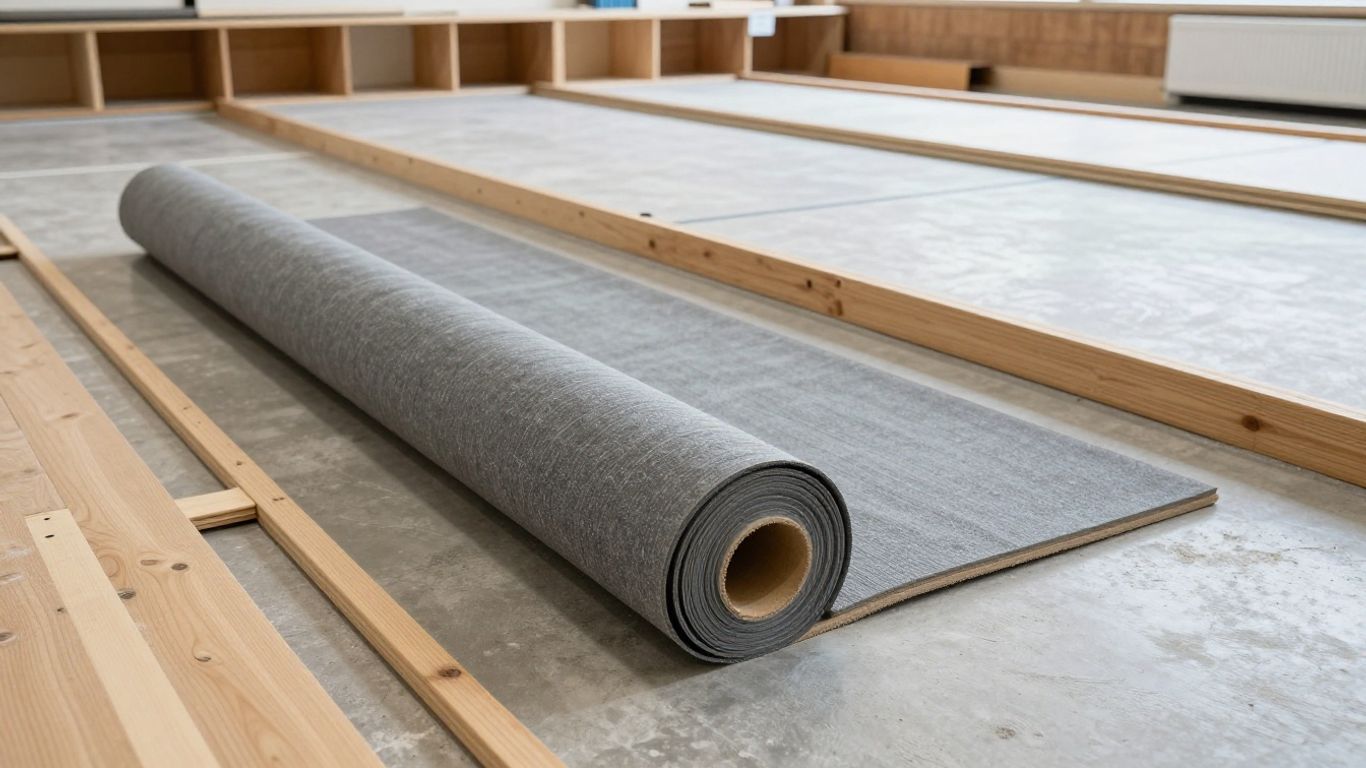
A surface-applied system may be appropriate where the substrate can be exposed, prepared and sealed to the required standard. A subfloor approach may be more suitable when moisture is entering from below or when the construction needs ventilation, separation or repair. Access, floor height and compatibility with the covering all affect the decision.
Ask for details of preparation, primer, curing, moisture limits and the proposed floor finish. These are practical specification points, not paperwork added after the treatment has been chosen.
Damp-proof membranes for suspended timber floors
With suspended timber floors, the investigation should consider airflow, joist condition, ground moisture and the position of any membrane. A barrier that restricts evaporation in the wrong place can leave timber damp, while damaged or decayed members may need repair before the sports surface is reinstated. Ventilation paths below the floor should not be blocked by stored materials or later building work.
The treatment must also preserve the level and resilience expected from the floor. A membrane is only one part of a safe, stable assembly.
Liquid moisture barriers for concrete and screeded bases
Liquid-applied barriers can be considered for suitable concrete or screeded substrates once contamination, laitance, cracks and loose material have been addressed. Application conditions matter: the base must be prepared, sufficiently dry for the specified system and free from substances that prevent adhesion. Manufacturer instructions should govern coverage, coats and curing.
The barrier should not be used to conceal an active plumbing leak or external water ingress. If moisture continues to arrive, the new floor may fail even when the application looked sound on completion.
Managing salts, uneven substrates and contaminated surfaces
Salts can remain in masonry or floor materials after moisture has evaporated, and unevenness can telegraph through a resilient covering. Old adhesive, dust, oil and weak screed can all reduce bond strength. Preparation may therefore include mechanical cleaning, local repairs, levelling or removal of unsound material.
The substrate should be judged on what the new floor needs, not merely on whether it looks clean. Small variations in height can affect joints, line markings and the feel of the playing surface.
Factors that determine the most suitable treatment
Your specification should bring together the moisture source, floor construction, substrate condition, available height, budget and operational deadline. It should also account for the sports played and the required combination of grip, shock absorption and ball response. The following comparison is a useful starting point, but it does not replace site testing.
| Condition | Treatment question | Key consideration |
|---|---|---|
| Suspended timber floor | Where is moisture entering and can airflow be maintained? | Timber condition and subfloor ventilation |
| Concrete slab | Can the base be prepared for a compatible barrier? | Moisture readings and surface contamination |
| Screeded base | Is the screed sound, level and sufficiently dry? | Repairs, laitance and curing time |
| Active leak | Has the water source been stopped? | Plumbing, drainage or external building repairs |
The best option is the one that controls the cause while preserving the floor’s intended performance. A low-cost barrier applied to a poorly prepared base may create a larger replacement bill later.
The sports floor damp proofing process in Croydon
A school project needs a sequence that respects both the building and the timetable. Surveys, opening-up, drying and reinstatement should be planned before materials arrive. You may need to coordinate with term dates, exams, lettings and caretaker availability. A clear programme reduces the temptation to rush a stage that needs more drying time.
Planning surveys and works around the school timetable
Begin by agreeing access routes, working hours, storage areas and the periods when the hall must be available. School holidays can offer a practical window, but only if the scope, lead times and contingency are understood. You should also plan for unexpected substrate repairs rather than assuming every floor will be ready for immediate installation.
Complete Sports Flooring describes installation, refurbishment and line marking services for sports halls in Croydon, including work planned around venue operations. When discussing any project, ask for a programme that separates survey, preparation, treatment, curing and handover.
Removing or protecting existing sports flooring
Some floors can be opened locally; others need broader removal to expose the substrate properly. Timber boards, resilient coverings and trims should be lifted with care, with reusable materials protected and waste controlled. Fixed goals, bleachers and other equipment may need to be moved, isolated or covered.
Before removal, record line positions, thresholds and junction details. This makes reinstatement more accurate and helps preserve information about where the damage began.
Preparing, repairing and drying the substrate
Preparation may involve removing failed adhesive, repairing boards, filling defects or levelling a screed. Drying must be measured rather than guessed from a surface that feels firm. Heating and ventilation can assist, but excessive heat may create movement in timber or affect a coating’s application conditions.
The substrate should be clean, stable and compatible with the chosen system. Any repairs should be allowed to reach the condition required by the membrane, adhesive or floor finish.
Applying the damp-proofing system correctly
Application should follow the system specification for mixing, coverage, edge detailing, coats and curing. Particular attention is needed at joints, perimeters, penetrations and changes in material. A neat-looking central area is not enough if moisture can bypass the treatment at an edge.
Keep records of products, batch details, environmental conditions and application stages. This gives the school a useful maintenance file and makes later investigation more straightforward.
Reinstating line markings, finishes and sports equipment
Once the treated base and floor finish have reached the required condition, reinstatement can begin. Lines need accurate setting out for the sports the hall supports, while finishes must provide appropriate grip and cleanability. Equipment should return only after the surface has been checked for damage, movement and safe access.
Complete Sports Flooring provides sanding, refinishing and refurbishment services for Croydon sports halls, including moisture testing and written warranty provision within its documented service. Where refurbishment is considered, the existing floor’s condition and the damp findings should be assessed together.
Safety, standards and project planning
Damp proofing is not successful if the hall is dry but no longer performs safely. You still need to consider slip resistance, shock absorption, surface friction, ball response and the intended sports. EN 14904 may be relevant to sports floor performance, but the applicable specification should be confirmed for your facility and planned use. Work should be documented so that the school can maintain the result.
Maintaining grip, shock absorption and ball response
A new layer, adhesive or repair can change the relationship between the athlete and the floor. Excessively smooth finishes may affect grip, while an uneven or overly hard area can change movement and impact behaviour. Basketball and other court sports also depend on a consistent response across the playing area.
Complete Sports Flooring documents EN14904-compliant, FIBA-grade basketball court flooring solutions in Croydon, with area-elastic hardwood systems selected according to venue use. That example illustrates why damp treatment should be specified alongside the sport, not as an isolated building repair.
Minimising disruption to pupils, staff and community users
Close the hall only for the stages that genuinely require exclusion, while keeping pupils and visitors away from dusty or curing areas. Communicate alternative rooms, revised lettings and delivery movements early. A short daily update can prevent confusion when work crosses from preparation into curing.
The programme should include time for cleaning and inspection before the hall is handed back. Returning too soon can damage the finish and create avoidable safety concerns.
Coordinating contractors, safeguarding and site access
Schools should agree sign-in arrangements, safeguarding expectations, restricted areas and emergency contacts before contractors start. Deliveries need a safe route that does not conflict with pupil movement, fire exits or neighbouring activities. You may also need permissions for isolating services or moving sports equipment.
A named school contact helps decisions happen quickly without bypassing site controls. Keep the work zone visibly separate, secure and tidy throughout the project.
Allowing for drying, curing and post-installation testing
Drying and curing times depend on the substrate, product, temperature, humidity and ventilation. Build these periods into the programme rather than treating them as lost time. Before use, inspect the finish, check transitions and confirm that the relevant performance tests or moisture checks have been completed.
A staged handover can be useful where only part of the hall is ready, although full access should wait until the complete area is safe and suitable for its intended activity.
Documenting warranties, maintenance guidance and future inspections
Your handover file should include the survey, product information, preparation record, test results, photographs and maintenance instructions. Ask what cleaning products, footwear, equipment loads and repairs are suitable for the reinstated floor. Warranties should be read alongside the conditions that could invalidate them, including persistent water ingress or unsuitable cleaning.
Clear records turn a one-off project into a manageable maintenance plan. They also give future contractors useful context if symptoms return.
Preventing recurring damp problems in older school buildings
The most effective prevention combines building maintenance with floor inspections. You cannot protect a sports hall by monitoring the finish while ignoring gutters, drainage, ventilation and plumbing. Assign responsibilities so that small defects are reported and repaired before they become a floor replacement issue. Seasonal checks are particularly useful in older buildings.
Improving ventilation and controlling indoor humidity
Keep vents and grilles clear, use mechanical ventilation as intended and avoid drying wet equipment inside the hall without adequate air movement. Condensation patterns can change when heating schedules or room uses change. Monitoring humidity may help you identify periods that coincide with smells, staining or surface movement.
Ventilation is not a substitute for repairing water ingress. It works best as part of a wider plan that addresses both airborne moisture and moisture from the building fabric.
Keeping gutters, drainage and external surfaces maintained
Inspect gutters, downpipes, gullies, paving falls and sealant around openings. Leaves and silt can redirect water towards walls, while raised external surfaces may bridge damp-resisting details. Record defects and confirm that repairs have been completed, especially after heavy rainfall.
The outside of the building often provides the first practical clue when internal floor damage appears near a perimeter. A short inspection can prevent an unnecessary internal treatment.
Responding quickly to leaks and plumbing failures
If a pipe or appliance fails, isolate the source, protect the floor and record the affected area. Do not cover wet flooring before the substrate has been assessed and dried appropriately. Water can travel beneath coverings and remain trapped after the visible spill has been removed.
A prompt response should include checking adjoining rooms and the underside of a suspended floor where access is safe. The repair is not complete until the source and consequences have both been addressed.
Scheduling regular inspections of sports flooring and subfloors
Walk the hall periodically with a consistent checklist and compare photographs over time. Look for movement, open seams, raised edges, staining, odours and changes around doors or service points. Ask caretaking staff to report small changes rather than waiting for a visible trip hazard.
Useful inspection habits include:
- Checking timber joints, boards and perimeter details.
- Looking for bubbles, lifting seams and failed adhesive.
- Reviewing condensation, odours and visible mould.
- Inspecting nearby drainage, plumbing and external walls.
These checks are simple, but they help you decide when professional testing is justified. They also create a history that can shorten future surveys.
Knowing when to arrange a follow-up moisture survey
Arrange a follow-up when damage returns, readings remain elevated, a leak has affected the floor or the building has undergone changes that alter drainage or ventilation. It is also sensible before a major refurbishment if the previous moisture history is unclear. The timing should reflect the suspected cause and the conditions needed for reliable readings.
A follow-up survey is not an admission that the original work failed. It is a sensible way to confirm that the building remains dry and that the sports floor continues to perform as intended.
Conclusion
For an older Croydon school, damp proofing should be approached as a building and sports-performance project together. By investigating the source, testing the substrate, choosing a compatible system and allowing proper time for preparation and curing, you can reduce disruption and protect the hall’s long-term use.
—Quick answers
Frequently asked questions
Yes. Moisture can affect timber movement, adhesives, screeds and floor stability before mould becomes visible. Testing and inspection are needed to understand the cause.
No. Lifting may also result from plumbing leaks, penetrating water, poor adhesion, substrate movement, trapped air or inadequate preparation. A survey should distinguish between these possibilities.
Not necessarily. The floor may be repairable, but the moisture source and substrate condition should be assessed first. Replacing the finish without resolving the cause can lead to repeat damage.
The duration depends on the floor construction, area, moisture level, preparation required, treatment selected and curing conditions. A proper programme should allow for testing, repairs, drying and post-installation checks.
Sometimes, but the work area must be securely separated and the hall kept out of use during dusty, wet or curing stages. Access arrangements should be agreed with the school in advance.
Keep the survey, moisture readings, preparation details, product information, photographs, test results, warranty documents and maintenance instructions. These records support future inspections and repairs.
Arrange one if symptoms return, a new leak occurs, readings remain high or building alterations affect drainage or ventilation. A survey can confirm whether the floor and surrounding structure are staying dry.